Korea’s UNESCO World Heritage Sites: A Complete Guide to Every Cultural and Natural Treasure
South Korea holds sixteen UNESCO World Heritage Sites, from eighth-century Buddhist grottoes and royal tombs to historic villages, mountain fortresses, and volcanic landscapes. This guide introduces every one, explains what makes it exceptional, and shows how to build a trip around them.
For a country of its size, Korea is extraordinarily rich in World Heritage. Its sixteen UNESCO sites span three thousand years, from the dawn of Korean civilisation to the last dynasty, and they include some of the finest Buddhist art in Asia, the best-preserved royal tombs in the world, villages still lived in as they were centuries ago, and natural landscapes found nowhere else. Taken together they are the ideal framework for understanding Korea, because each was chosen precisely for being outstanding, and visiting them traces the whole arc of the country’s history and landscape.
This guide is an overview of the complete list. It groups the sites so you can see how they fit into Korean history, gives a sense of each, and links to the detailed visiting guides for the major ones. Whether you want to tick off the famous names or plan a themed journey, start here to see the whole picture.
How Many Sites, and Why They Matter
South Korea has sixteen inscribed World Heritage Sites, fourteen cultural and two natural, with more on the tentative list awaiting consideration. The cultural sites concentrate on three great themes of Korean history: Buddhism, the Confucian monarchy of Joseon, and traditional community life. The natural sites protect the volcanic island of Jeju and the vast tidal flats of the west and south coasts. What unites them is the UNESCO standard of “outstanding universal value,” meaning each is judged important not only to Korea but to all humanity.
For a traveller, the list is a ready-made itinerary of the country’s best. Three of the sites sit inside or beside Seoul, several cluster around the old Silla capital of Gyeongju, and the rest are spread across the peninsula and its islands, so they naturally shape a journey through Korea’s regions as well as its history. [VERIFY: current total count of Korean World Heritage Sites, cultural vs natural split, tentative list status]
Korea’s UNESCO World Heritage Sites
| Site | Inscribed | What it is |
|---|---|---|
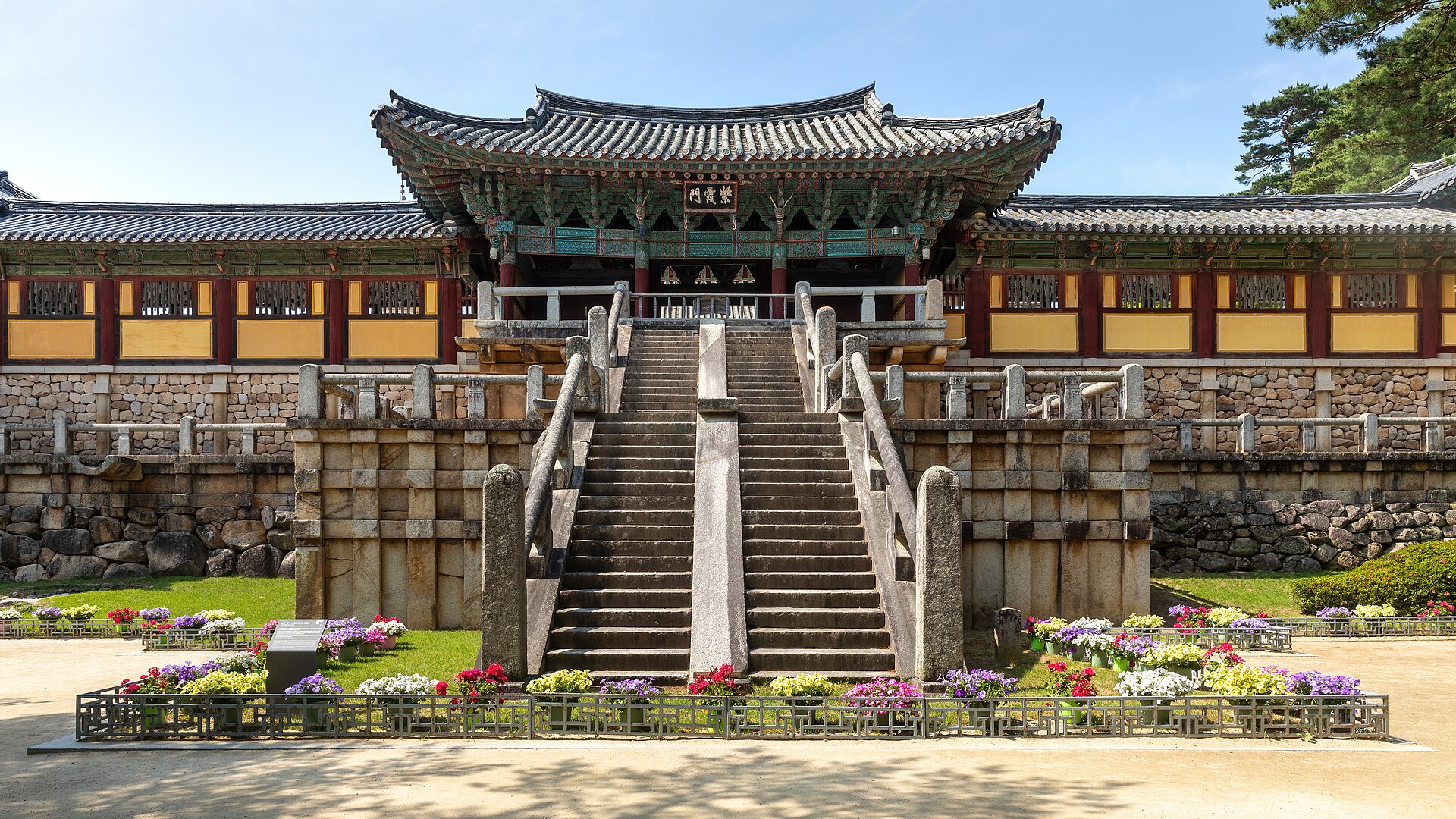
| Seokguram Grotto & Bulguksa Temple | 1995 | Silla Buddhist masterpieces near Gyeongju |
| Haeinsa Temple & the Tripitaka Koreana woodblocks | 1995 | Buddhist canon on 80,000 woodblocks |
| Jongmyo Shrine | 1995 | Joseon royal ancestral shrine, Seoul |
| Changdeokgung Palace Complex | 1997 | Palace with the Secret Garden, Seoul |
| Hwaseong Fortress | 1997 | 18th-century fortress city, Suwon |
| Gyeongju Historic Areas | 2000 | Remains of the Silla capital, five zones |
| Gochang, Hwasun & Ganghwa Dolmen Sites | 2000 | Prehistoric stone burial monuments |
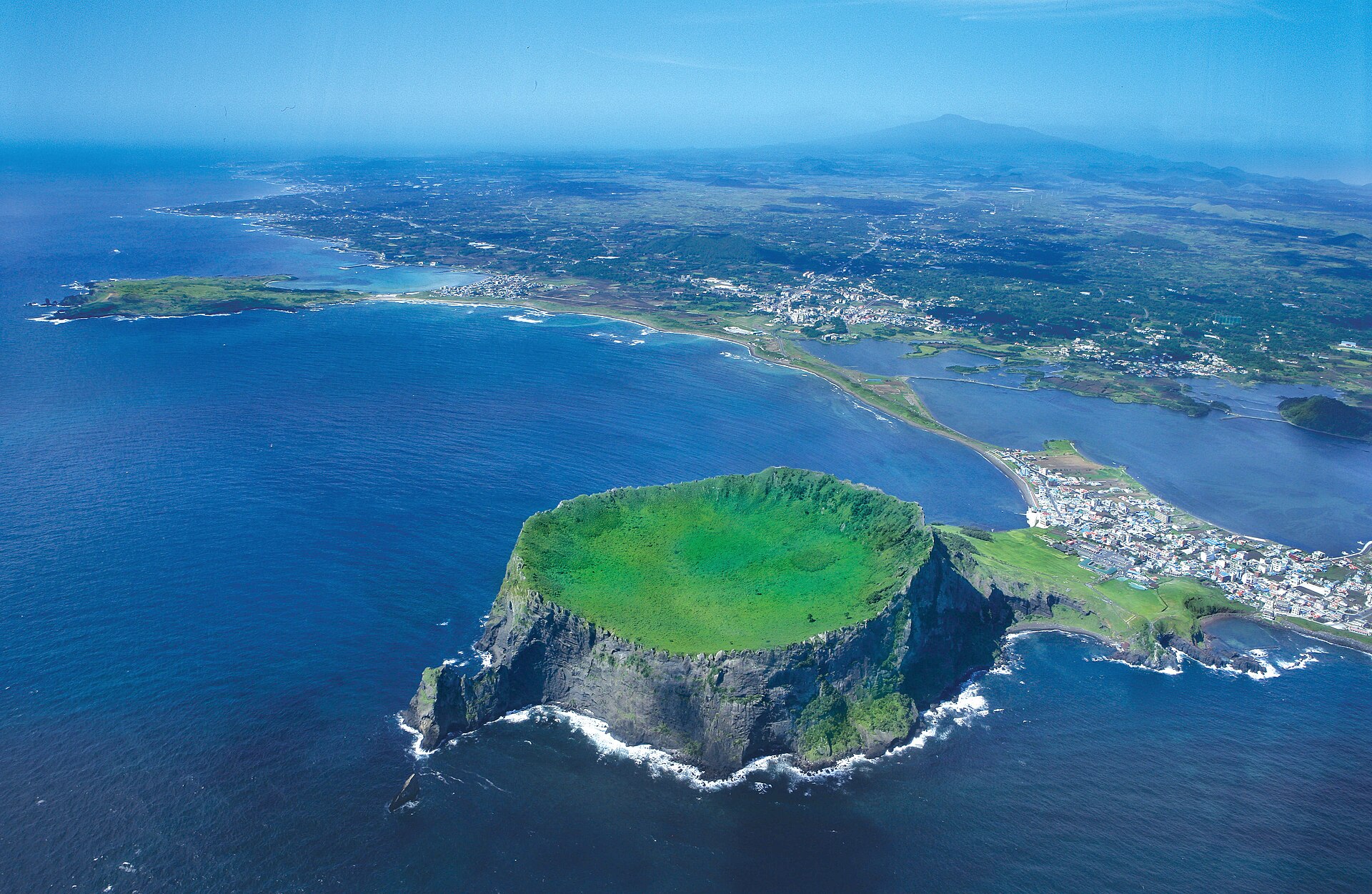
| Jeju Volcanic Island & Lava Tubes | 2007 | Natural: volcanic landscape and caves |
| Royal Tombs of the Joseon Dynasty | 2009 | 40 royal tombs around Seoul |
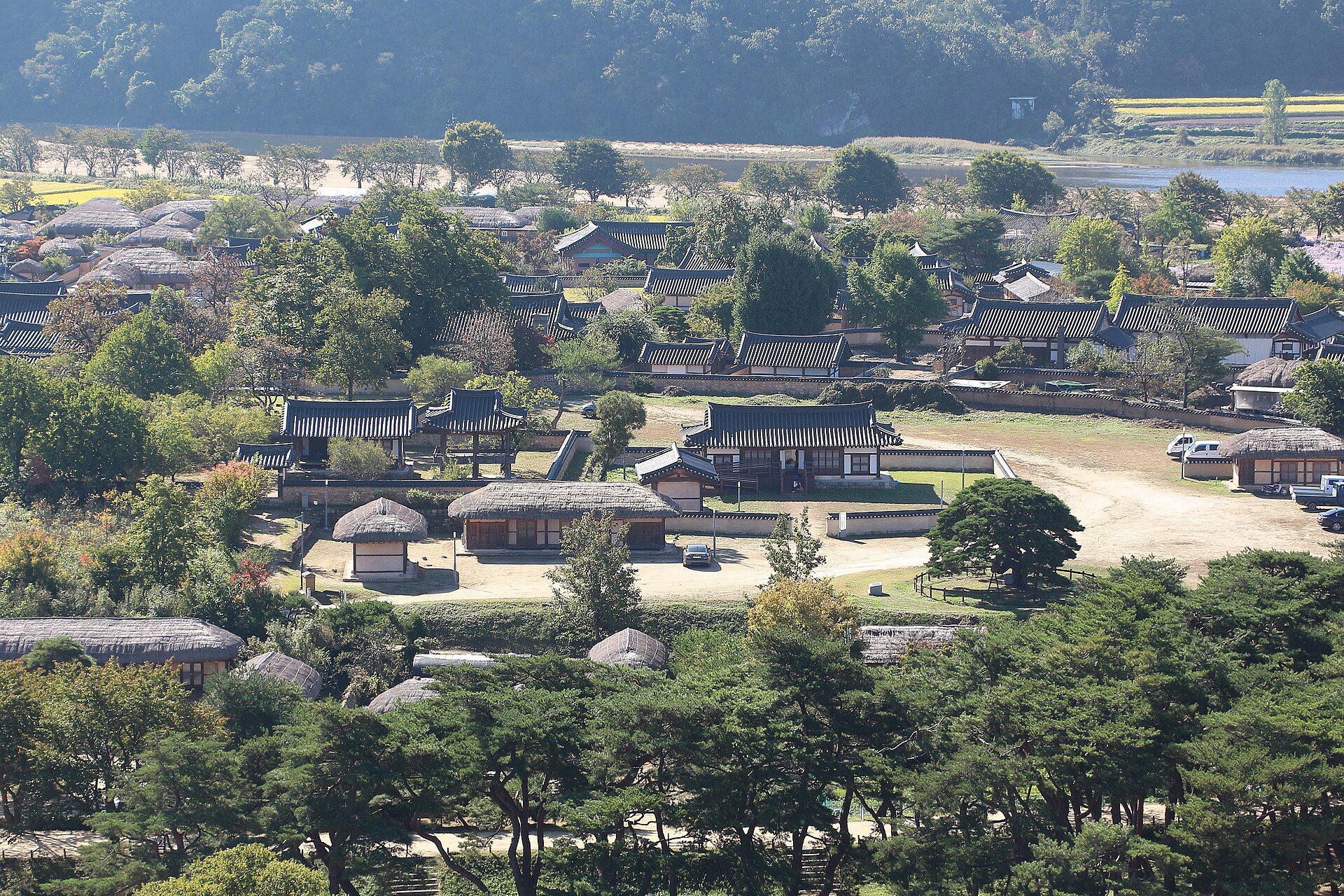
| Historic Villages: Hahoe & Yangdong | 2010 | Traditional Confucian clan villages |
| Namhansanseong | 2014 | Mountain fortress south of Seoul |
| Baekje Historic Areas | 2015 | Remains of the Baekje kingdom |
| Sansa, Buddhist Mountain Monasteries | 2018 | Seven historic mountain temples |
| Seowon, Confucian Academies | 2019 | Nine historic Confucian schools |
| Getbol, Korean Tidal Flats | 2021 | Natural: coastal tidal flat ecosystems |
| Gaya Tumuli | 2023 | Tombs of the Gaya confederacy |
[VERIFY: full list, names, and inscription years against the official UNESCO record — list may have grown]
The Buddhist Sites
Korea’s Buddhist heritage dominates the list. The Seokguram Grotto and Bulguksa Temple near Gyeongju, among the first inscribed in 1995, are the supreme achievements of Silla Buddhist art. Haeinsa Temple, also from 1995, houses the Tripitaka Koreana, the entire Buddhist canon carved onto over eighty thousand woodblocks in the thirteenth century and preserved in halls designed for their protection. The Sansa mountain monasteries, a group of seven historic temples set deep in the mountains, were added in 2018 for their living tradition of Korean Buddhist practice. Together these show Buddhism as the great cultural force of early and medieval Korea.
The Joseon Monarchy Sites
A second cluster belongs to the Joseon dynasty and its Confucian state. Jongmyo Shrine (1995) preserves the royal ancestral rite; Changdeokgung Palace (1997) is the loveliest of the Seoul palaces with its Secret Garden; the Royal Tombs of the Joseon Dynasty (2009) ring the capital; Hwaseong Fortress (1997) at Suwon is a masterpiece of late-Joseon military engineering; and Namhansanseong (2014) is the great emergency mountain fortress south of Seoul. The Seowon Confucian academies (2019) complete the picture, representing the schools where the dynasty’s scholar-officials were formed. This group lets a visitor follow Joseon from palace to shrine to tomb to fortress to classroom.
The Ancient and Community Sites
Older and more communal threads fill out the list. The dolmen sites at Gochang, Hwasun, and Ganghwa (2000) preserve prehistoric stone burial monuments in one of the world’s densest concentrations. The Baekje Historic Areas (2015) and the Gaya Tumuli (2023) protect the remains of early kingdoms that rivalled Silla. The historic villages of Hahoe and Yangdong (2010) are traditional clan villages still inhabited, showing how the Confucian gentry lived in harmony with the landscape. These sites reach from the deep prehistoric past to communities that survive today.
The Natural Sites
Two of Korea’s World Heritage Sites protect nature rather than culture. Jeju Volcanic Island and Lava Tubes (2007) preserve the volcanic landscape of Korea’s largest island, including its central peak Hallasan, dramatic craters, and some of the finest lava-tube caves in the world. The Getbol, or Korean Tidal Flats (2021), protect the vast intertidal mudflats of the west and south coasts, which are of global importance for migratory birds and marine life. Together they show that Korea’s heritage is landscape as well as history.
How to Plan a Heritage Trip
The sites fall into natural clusters that shape a journey. Seoul and around holds Changdeokgung, Jongmyo, the royal tombs, Hwaseong at Suwon, and Namhansanseong, enough for several days without leaving the capital region. Gyeongju, about two hours south by KTX, holds Bulguksa, Seokguram, and the Historic Areas in one compact city. Andong in the centre offers Hahoe village and nearby seowon academies. Haeinsa lies in the mountains of the southeast, Baekje and Gaya sites in the southwest and south, and Jeju is a short flight away. A classic two-week trip linking Seoul, Gyeongju, Andong, and Jeju would take in most of the cultural highlights and one natural site. [VERIFY: travel times and current access for each cluster]
Nearby Experiences
Because the heritage sites double as the country’s finest destinations, each pairs naturally with the pleasures around it. The Seoul sites combine with the palaces, markets, and hanok quarters of the capital; Gyeongju’s with its tombs, museum, and coast; Jeju’s volcanic landscape with its beaches and cuisine; the villages with the slow rhythms of the countryside. For a traveller who wants both depth and variety, the UNESCO list is the best possible spine for a trip, guaranteeing that each stop is something the world has judged extraordinary.
Frequently Asked Questions
How many UNESCO sites does South Korea have?
Sixteen, the majority cultural and two natural, with more on the tentative list. They span from ancient temples and tombs to villages, fortresses, and volcanic landscapes. [VERIFY: count]
What was Korea’s first UNESCO site?
Three were listed together in 1995: Seokguram and Bulguksa, Haeinsa and the Tripitaka Koreana, and Jongmyo Shrine.
Which are easiest from Seoul?
Changdeokgung and Jongmyo in the city, the royal tombs around it, Hwaseong at Suwon, and Namhansanseong; Gyeongju is about two hours by KTX.
Does Korea have natural UNESCO sites?
Yes: Jeju’s volcanic island and lava tubes, and the Getbol tidal flats of the coast. The rest are cultural.
Are the royal tombs a UNESCO site?
Yes, the Royal Tombs of the Joseon Dynasty, forty tombs around Seoul, were inscribed in 2009.
Continue Exploring
- 22-unesco-bulguksa.jpg — Basile Morin / CC BY-SA 4.0 / Wikimedia Commons source
- 22-unesco-hahoe-village.jpg — Bernard Gagnon / CC0 / Wikimedia Commons source
- 22-unesco-jeju-seongsan.jpg — Korea.net / Korean Culture and Information Service / CC BY-SA 2.0 / Wikimedia Commons source
Disclosure: This article may contain affiliate links. Booking through them supports Coreaverse at no extra cost to you.