Historical Sites in Seoul: The Complete Guide to the Palaces, Shrine, Wall & Old Quarters of the Joseon Capital
Seoul has been Korea’s capital for more than six hundred years, and its historic core still holds five royal palaces, the ancestral shrine, a mountain city wall, and streets of traditional houses. This guide maps them all and gives ready-made itineraries for one, two, or three days.
Few capitals wear their history as openly as Seoul. In the middle of a city of skyscrapers and subways stand five grand palaces, a royal ancestral shrine, long stretches of a six-hundred-year-old city wall climbing the mountains, and whole lanes of tile-roofed wooden houses. When the founder of the Joseon dynasty chose this valley as his capital in 1394, he laid out the city according to ancient principles, with the main palace against the northern mountain, the ancestral shrine to its east, and the altars of state to its west. That plan is still legible today, and walking it is the best way to understand how Korea was governed for five centuries.
This guide is an overview and a planner. Rather than describing one site in depth, it maps the whole historic core, explains how the pieces fit together, and links to the detailed guides for each major site. Whether you have a single afternoon or three full days, it will help you decide what to see and in what order, and give you the background that turns a walk among old buildings into a journey through the Joseon capital.
Why Seoul’s Historic Core Matters
Seoul is one of the longest-serving capitals in the world. From 1394 until the end of the monarchy, and then as the capital of modern Korea, it has been the seat of power for over six centuries. What makes its historic sites exceptional is that they form a single planned landscape, not a scattering of unrelated monuments. The palaces, the shrine, the altars, and the wall were all laid out together as parts of one Confucian city, designed so that the king, his ancestors, and the state each had their proper place. To see them in relation to one another, rather than as isolated attractions, is to read the blueprint of a dynasty.
Two of these sites carry UNESCO World Heritage status in their own right, Changdeokgung Palace and Jongmyo Shrine, and the whole ensemble is remarkable for having survived at the heart of a mega-city. That survival was not guaranteed; the palaces were damaged and rebuilt across the centuries, and the city wall was partly lost to modern growth before being restored. What stands today is the result of long preservation, and it lets a visitor move in a single day from a throne hall to an ancestral shrine to a mountain rampart, covering the full range of how the old capital worked.
Quick Facts
| Capital since | 1394, start of the Joseon dynasty |
|---|---|
| Grand palaces | Five: Gyeongbokgung, Changdeokgung, Changgyeonggung, Deoksugung, Gyeonghuigung |
| UNESCO sites | Changdeokgung Palace and Jongmyo Shrine |
| Combined ticket | Integrated palace ticket covers main palaces and Jongmyo [VERIFY: current price and included sites] |
| Core area | Walkable: palaces, shrine, Bukchon, Insadong all within central Jongno |
| Time needed | Two days for the essentials, three for a fuller visit |
The Five Grand Palaces
Seoul’s Joseon kings built and used five palaces, each with its own character, and understanding the differences helps you choose.
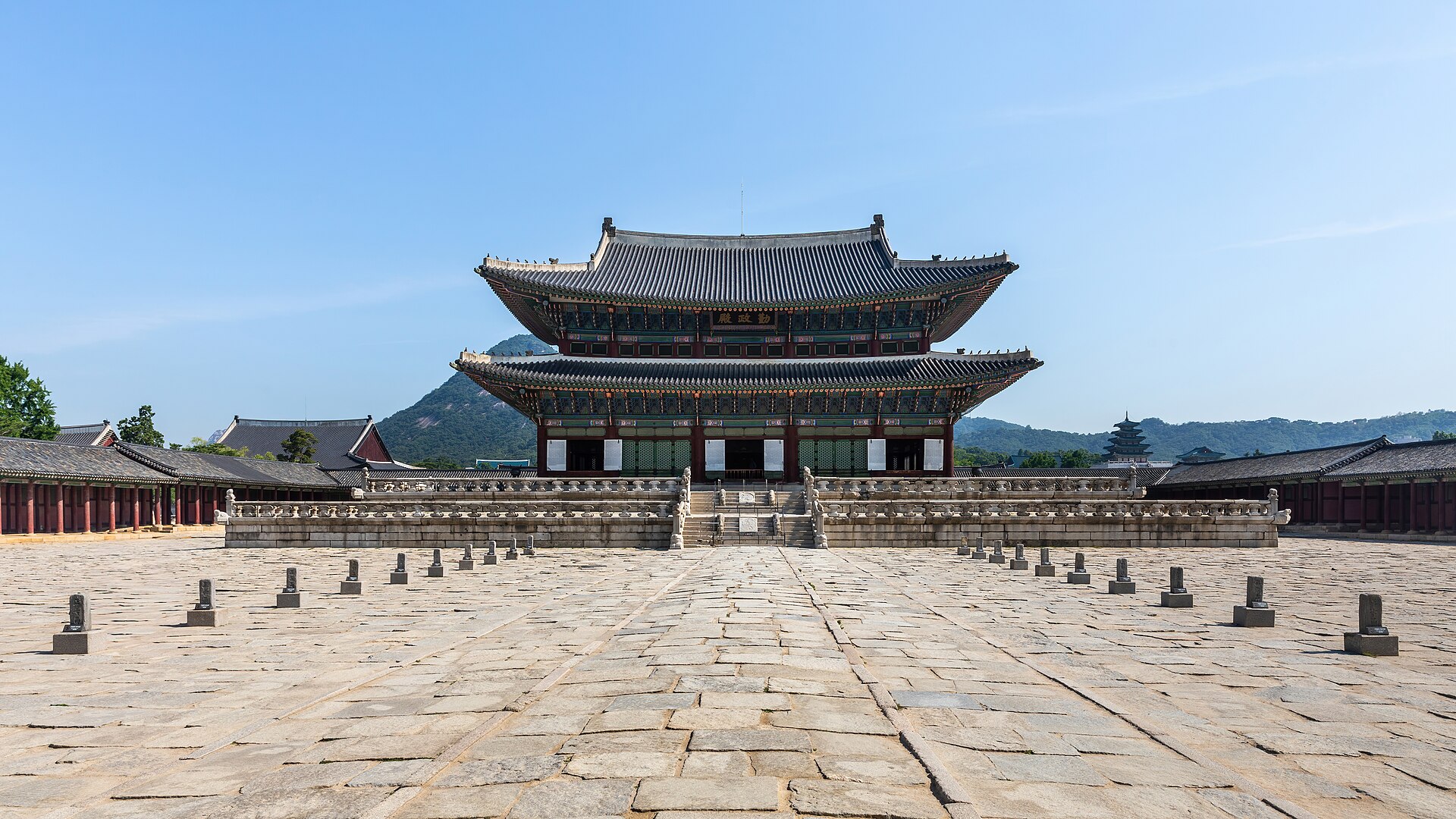
Gyeongbokgung, the “Palace of Shining Happiness,” is the main and largest palace, built first in 1395 against the northern mountain Bugaksan. Its vast throne hall, wide courtyards, and the changing of the guard at the front gate make it the grandest and most popular, and the National Palace Museum and National Folk Museum stand within its grounds.
Changdeokgung, the UNESCO-listed palace, is the most beautiful, laid out to follow the contours of the land rather than a rigid grid, and famous for its rear garden, the Secret Garden, visited on a timed tour. Many consider it the finest of all.
Changgyeonggung, adjoining Changdeokgung, is quieter and more intimate, with a lovely pond and greenhouse. Deoksugung, beside the modern city hall, mixes traditional halls with early Western-style buildings and is lovely in the evening. Gyeonghuigung, the smallest and least visited, offers a peaceful escape. Most first-time visitors see Gyeongbokgung and Changdeokgung; those with more time add the others.
Jongmyo Shrine and the Royal Ritual
East of the palaces stands Jongmyo, the royal ancestral shrine, where the spirit tablets of the Joseon kings and queens have been honoured for six centuries. Its main hall is one of the longest wooden buildings in East Asia, and the annual royal ancestral rite performed here, with its ancient music and line dance, is recognised by UNESCO as a masterpiece of intangible heritage. Jongmyo is entered on a timed guided tour on most days and offers the most solemn atmosphere of any site in the city, the perfect complement to the palaces where the same kings lived and ruled. It sits directly south of Changdeokgung and pairs naturally with it.
The City Wall and Gates
The Joseon capital was ringed by a city wall that climbed the four mountains surrounding the old town, pierced by eight gates. Much of the wall survives or has been restored, and walking a section is one of the best ways to see Seoul from above while touching its oldest structure. The great southern gate, Namdaemun (Sungnyemun), and the eastern gate, Dongdaemun (Heunginjimun), still stand amid the modern city as its most venerable landmarks. The restored wall trail along Naksan in the east, and the stretch below Bugaksan in the north, offer the finest walking, combining history with panoramic views over the capital. [VERIFY: city wall trail access, open sections, any permit for Bugaksan stretch]
Old Quarters: Bukchon and Insadong
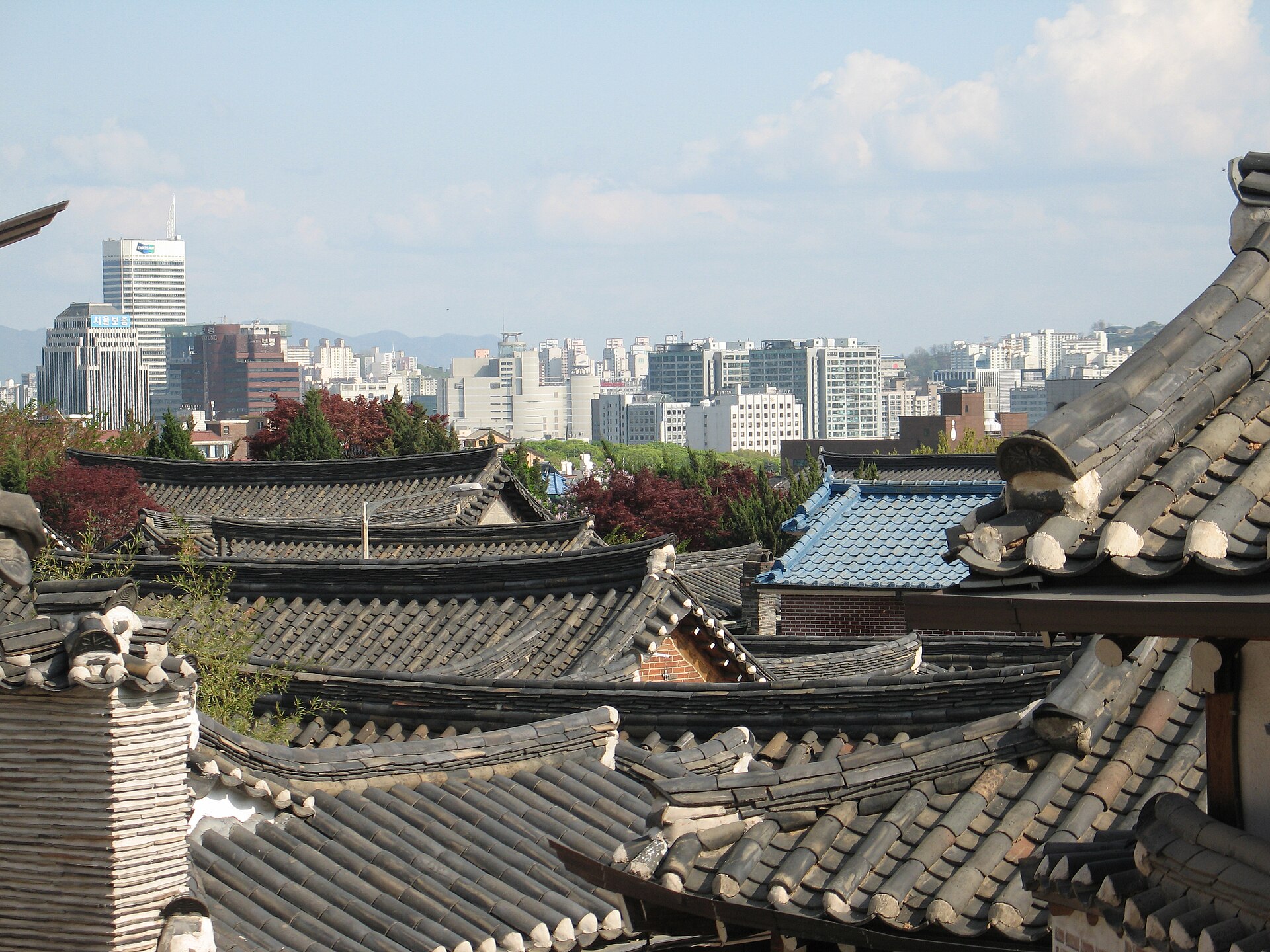
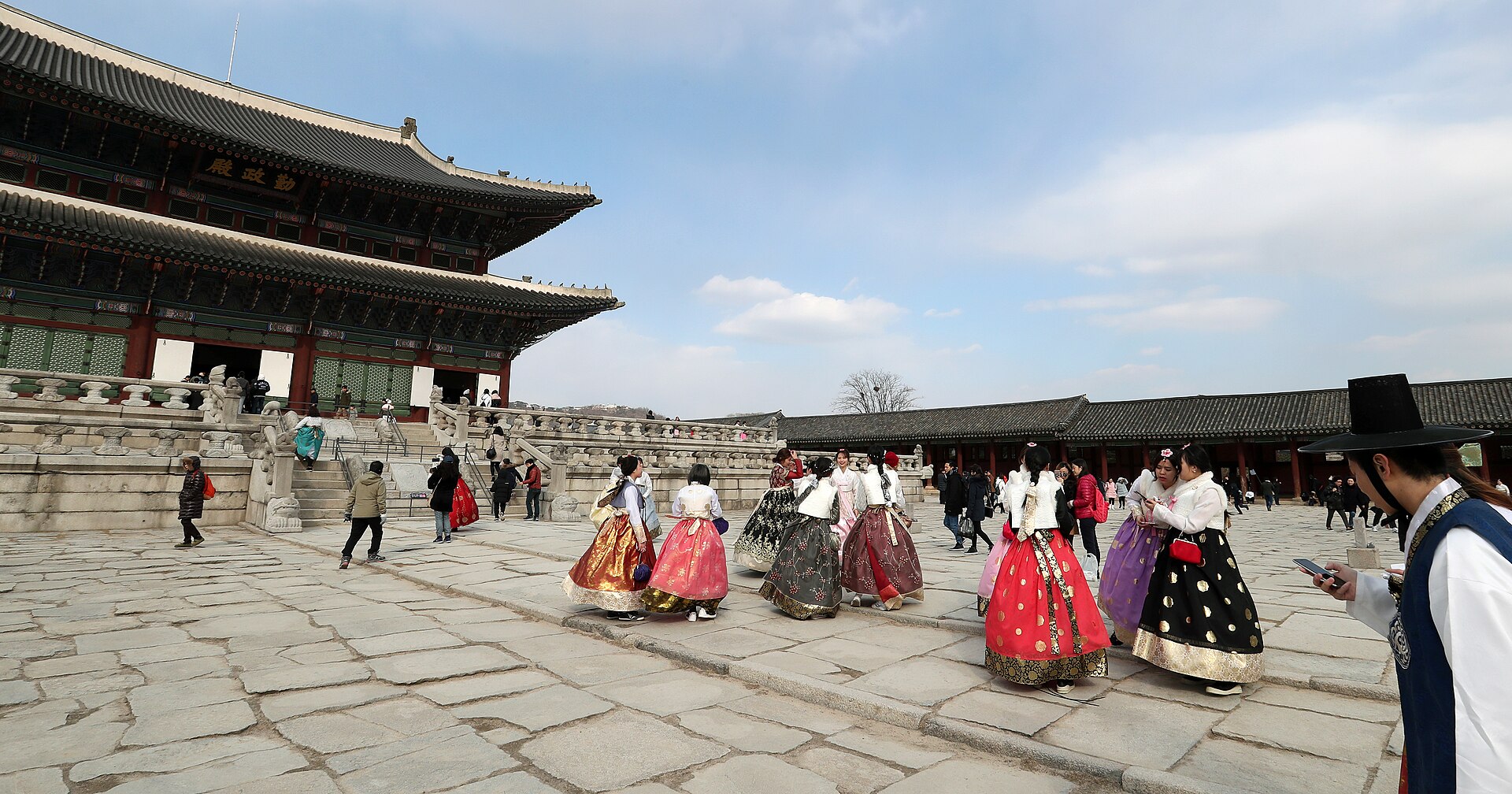
Between the palaces lies Bukchon Hanok Village, a neighbourhood of traditional tile-roofed wooden houses, hanok, laid out on the slope between Gyeongbokgung and Changdeokgung. Once home to the aristocracy of the Joseon court, its lanes are now the best place to see how the old city looked at street level. Nearby Insadong is the district of antiques, galleries, tea houses, and craft shops, and Samcheong-dong adds cafes and boutiques in a historic setting. These quarters turn the walk between the great monuments into a pleasure in itself, and they are where most visitors rent hanbok to wear into the palaces. [VERIFY: Bukchon visiting etiquette, residential quiet hours]

Ready-Made Itineraries
One day: the essentials
Start at Gyeongbokgung for the changing of the guard and the throne hall, walk east through Bukchon Hanok Village for lunch, then take an afternoon guided tour of Jongmyo Shrine, ending in Insadong for the evening.
Two days: palaces and shrine
Day one as above. On day two, tour Changdeokgung and its Secret Garden in the morning, visit the adjoining Changgyeonggung, and spend the afternoon at the National Palace Museum, finishing at Gwangjang Market for dinner.
Three days: the full capital
Add a third day for the city wall: walk the Naksan section in the morning for the views, see Dongdaemun gate, and in the afternoon visit Deoksugung and its evening stone-wall road, or take a half day to a Joseon royal tomb on the city’s edge to complete the monarchy from palace to grave.
How to Visit
Getting Around
The historic core is compact and centred on the Jongno district, and almost everything, the palaces, Jongmyo, Bukchon, and Insadong, is within walking distance or one or two subway stops. Gyeongbokgung, Anguk, and Jongno 3-ga stations put you at the main sites. The city wall trails begin from stations around the old centre. Seoul’s subway is fast, cheap, and English-signed, making it the easiest way to move between clusters. [VERIFY: station names and lines for each site]
Tickets & Timing
The integrated palace ticket covers the main palaces and Jongmyo at a saving and is worth it if you plan to see several; individual tickets are cheap in any case, and wearing hanbok usually gives free palace entry. Note that Changdeokgung’s Secret Garden and Jongmyo require timed tours, so plan those around their schedules, and that each palace closes one day a week, generally Monday or Tuesday, staggered so that something is always open. Confirm current prices, tour times, and closed days before you go. [VERIFY: integrated ticket price, tour schedules, closed days]
Nearby Places & Experiences
The historic core connects to the rest of Seoul’s attractions. South of the palaces, Namsan and its tower give the classic city view, and the old southern gate stands nearby. The markets, Gwangjang for food and Namdaemun for everything, carry their own long history. For museums, the National Museum of Korea across the river holds the national collection, from Gaya gold to Joseon painting. Beyond the city, the Joseon royal tombs ring the capital within easy reach, and day trips to the fortress city of Suwon and its UNESCO walls, or to the Korean Folk Village, extend the history further. Seoul thus serves as the hub from which the whole story of the Joseon capital and its kingdom can be explored.
Practical Tips
Wear comfortable shoes, since a day in historic Seoul is a day of walking on stone courtyards and hill trails. Check closed days before you plan, as palaces rest on different days of the week. Arrive at Gyeongbokgung in time for the changing of the guard, and book the Changdeokgung Secret Garden and Jongmyo tours ahead or arrive early, as slots fill. Spring and autumn are the loveliest and busiest seasons; summers are hot and humid, winters cold but clear. Renting hanbok for a few hours is inexpensive, gives free palace entry, and is one of the pleasures of the visit. Carry water in summer and a layer for the wall walks, which are exposed. [VERIFY: changing of the guard times, closed days]
Frequently Asked Questions
What are the must-see historical sites in Seoul?
The five palaces, above all Gyeongbokgung and Changdeokgung with its Secret Garden, Jongmyo Shrine, Bukchon Hanok Village, and a stretch of the old city wall with one of its great gates.
How many days do you need?
Two days for the core palaces and shrine, three to add the city wall, more palaces, and museums.
Is there a combined ticket?
Yes, an integrated ticket covers the main palaces and Jongmyo at a saving and is valid for a period after purchase. [VERIFY: price and sites]
Which palace is best?
Gyeongbokgung is the largest and grandest; Changdeokgung is the most beautiful and UNESCO-listed, with the Secret Garden. Most visitors see both.
Can you wear hanbok?
Yes, and it is popular. Wearing rented hanbok usually gives free palace entry, which is why the courtyards are full of visitors in traditional dress.
Continue Exploring
- 20-seoul-gyeongbokgung.jpg — Basile Morin / CC BY-SA 4.0 / Wikimedia Commons source
- 20-seoul-bukchon.jpg — Gaël Chardon / CC BY-SA 2.0 / Wikimedia Commons source
- 20-seoul-city-wall.jpg — Seoul Metropolitan Fire & Disaster HQ / CC BY-SA 4.0 / Wikimedia Commons source
- 20-seoul-hanbok.jpg — Republic of Korea / CC BY-SA 2.0 / Wikimedia Commons source
Disclosure: This article may contain affiliate links. Booking through them supports Coreaverse at no extra cost to you.