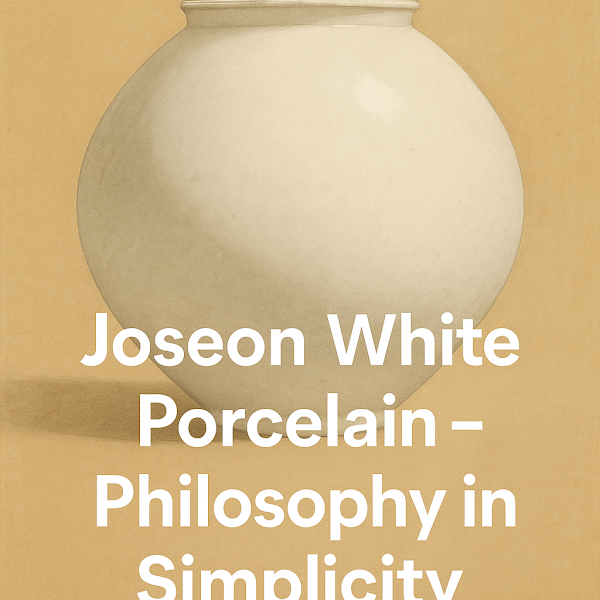
Joseon White Porcelain – Philosophy in Simplicity
Explore the simplicity and deep cultural philosophy behind Joseon white porcelain—Korea’s timeless legacy of minimalist beauty.

Explore the simplicity and deep cultural philosophy behind Joseon white porcelain—Korea’s timeless legacy of minimalist beauty.

Explore the rich cultural significance of the Korean binyeo, a traditional hairpin symbolizing identity, status, and artistry throughout history.
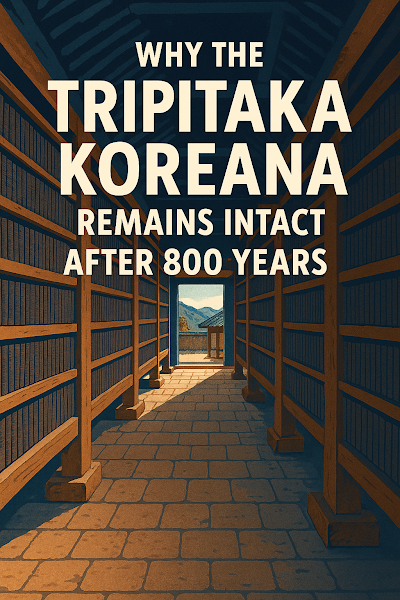
Explore how the 13th-century Tripitaka Koreana remains perfectly preserved through brilliant craftsmanship and architectural ingenuity in Korea’s Haei
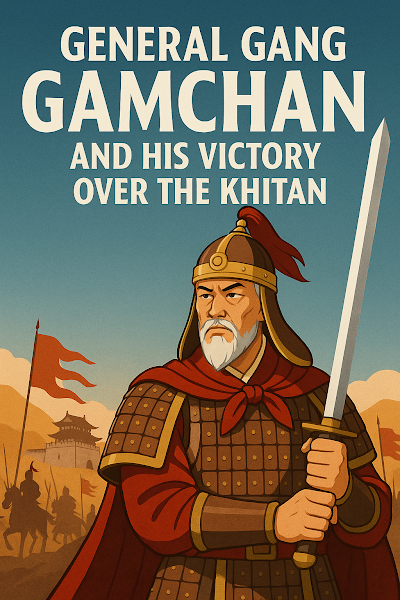
Discover how General Gang Gamchan’s strategy defeated the Khitan invasion and shaped Korean history in one of Goryeo’s greatest military triumphs.
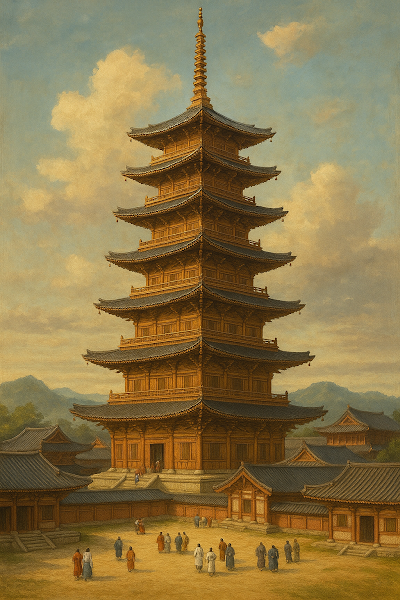
Uncover the fate of Hwangnyongsa’s lost nine-story pagoda, once the tallest wooden structure in East Asia and a symbol of Silla’s power.

Explore Namhansanseong Fortress’s rich history, from the 1636 siege to modern resilience and UNESCO recognition.

Explore the key differences between North and South Korean hanbok—design, fabric, ideology, and cultural expression.

Explore whether the Gwageo civil service exams in Joseon Korea truly offered meritocratic opportunity—or preserved elite power.

Explore how Japan shifted from military to cultural control in Korea, and how Koreans resisted erasure to preserve their identity.
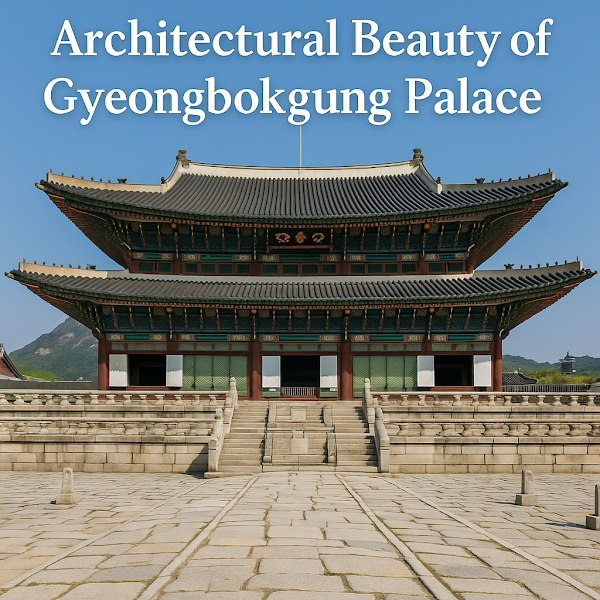
Explore the architectural marvels of Gyeongbokgung Palace—Korea’s royal landmark blending elegance, symbolism, and Confucian harmony across centuries.

Explore the history of the Hwarang—Silla Korea’s elite youth who blended warrior training, ethics, and culture to shape an empire and inspire modern i
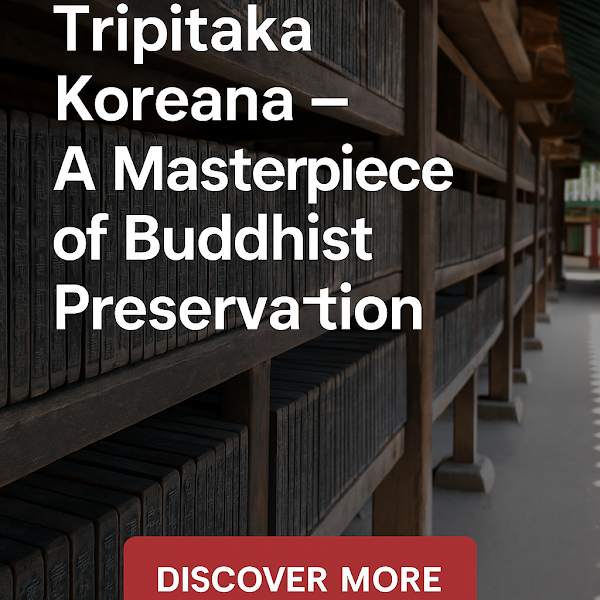
Explore the timeless story of Korea’s Tripitaka Koreana—an 800-year-old Buddhist scripture carved on 81,258 woodblocks and perfectly preserved at Haei